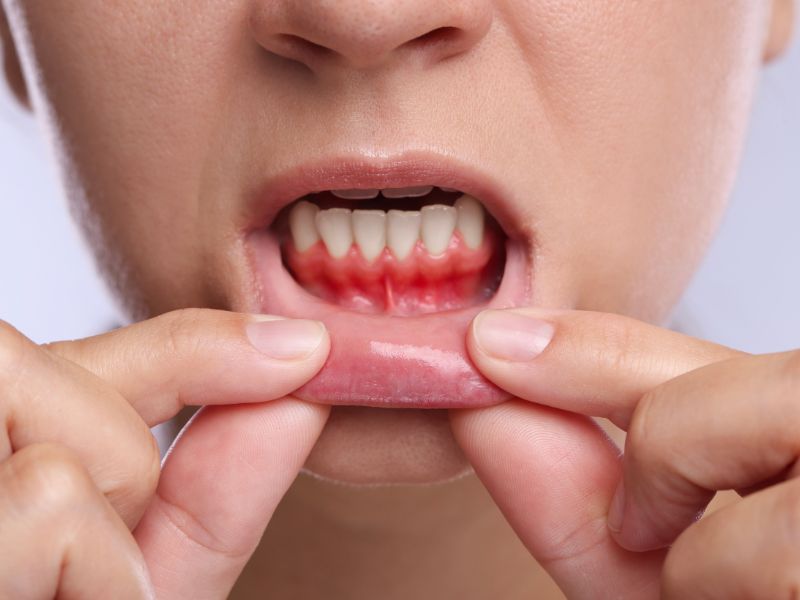
Impact of Cold and Flu on Oral Health

Cold and flu season affects more than just your sinuses and throat, it can also disrupt your oral health in ways many people don’t expect. Dehydration, common cold and flu medicine, inflammation, and frequent use of cough drops all play a role in creating dental problems during illness. Knowing how these factors interact can help prevent long-term damage to teeth and gums while your body recovers.

Dehydration and Its Effect on Saliva Production

Dehydration is one of the most common side effects of cold and flu illnesses. Fever, reduced fluid intake, and excessive mouth breathing can significantly decrease saliva production. Saliva is essential for neutralizing acids, washing away bacteria, and protecting enamel.
When dehydration sets in, the mouth becomes dry, allowing harmful bacteria to multiply more easily. This increases the risk of cavities, gum disease, and oral infections. The American Dental Association (ADA) notes that persistent dry mouth can accelerate tooth decay and lead to irritation of oral tissues.

Cold and Flu Medicine and Tooth Decay Risk

Many over-the-counter cold and flu medicine options, especially liquid formulas contain added sugars and acids to improve flavor. When taken frequently, these medications coat the teeth and create a breeding ground for cavity-causing bacteria.
In addition, some medications reduce saliva flow, worsening dry mouth caused by dehydration. The Centers for Disease Control and Prevention (CDC) highlights that repeated sugar exposure increases the likelihood of cavities, particularly when brushing routines are disrupted during illness.

Cough Drops and Increased Sugar Exposure

Cough drops may soothe a sore throat, but their impact on oral health is often overlooked. Many cough drops contain sugar, and even sugar-free varieties are acidic. Because they dissolve slowly, they expose teeth to sugars and acids for extended periods.
Using cough drops throughout the day, especially without rinsing or drinking water afterward can weaken enamel and contribute to tooth sensitivity. Choosing sugar-free options and limiting frequency can help reduce damage during cold and flu recovery.

Inflammation of Gums and Oral Tissues During Illness

Illness places stress on the immune system, which can increase inflammation throughout the body, including the gums. Inflammation may present as swollen, tender, or bleeding gums, especially if oral hygiene declines during sickness.
Mouth breathing caused by nasal congestion further dries out oral tissues, intensifying irritation and inflammation. Skipping brushing or flossing due to discomfort allows plaque to accumulate, increasing the risk of gingivitis and periodontal disease.

Sinus Congestion, Inflammation, and Tooth Pain

Cold and flu infections often cause sinus inflammation, leading to pressure around the upper teeth. Because the roots of upper molars sit close to the sinus cavities, this inflammation can feel like tooth pain or heightened sensitivity.
While sinus-related tooth pain usually resolves as congestion clears, ongoing discomfort should not be ignored. Persistent pain may indicate an underlying dental issue that requires professional evaluation.

Cold Sores Triggered by Illness and Stress

A weakened immune system during cold and flu illness can trigger cold sores in individuals who carry the herpes simplex virus. These sores typically appear on or around the lips and can make eating, drinking, and oral hygiene uncomfortable.
The National Institute of Dental and Craniofacial Research (NIDCR) explains that illness and physical stress are common triggers for cold sore outbreaks.

Bad Breath Linked to Dehydration and Postnasal Drip

Bad breath is another frequent side effect of respiratory illness. Dehydration reduces saliva, while postnasal drip introduces proteins that bacteria feed on. These bacteria produce sulfur compounds responsible for unpleasant odors.
Maintaining hydration, gently brushing the tongue, and rinsing with water after taking medicine or cough drops can help manage bad breath during illness.

Supporting Oral Health While Recovering

Even when you feel miserable, maintaining basic oral care is essential. Simple habits can prevent lasting damage:
The ADA recommends continuing oral hygiene routines during illness to prevent bacterial overgrowth and inflammation.

Why Oral Health Matters During Cold and Flu Season

Oral health is closely tied to overall health. Bacteria from the mouth can enter the bloodstream, potentially complicating recovery, especially for individuals with compromised immune systems. Protecting your teeth and gums during cold and flu season supports faster healing and long-term wellness.
Share the Post:

Related Posts

Leave a Reply

Your email address will not be published. Required fields are marked *