
Celebrating Dental Assistants: Their Vital Role in Your Care
When you sit down in the dental chair, your focus is usually on the dentist. However, another highly trained professional is working closely beside them to make sure your visit is safe, efficient, and comfortable. Dental assistants are essential members of the dental team, and their contributions shape nearly every part of your experience.
From preparing treatment rooms to guiding patients through aftercare instructions, dental assistants combine technical skill with compassionate care. Their work supports not only healthy smiles, but also overall patient confidence and comfort.

What Does a Dental Assistant Do?
Many patients are surprised to learn just how wide-ranging the responsibilities of a dental assistant truly are. Their role blends clinical support, patient communication, and organizational expertise.
Dental assistants often help with tasks such as preparing and disinfecting treatment rooms, sterilizing instruments, reviewing patient medical histories, and taking dental X-rays. They also assist chairside during procedures and provide patients with important instructions after treatment.
As recognized by the American Dental Association (ADA), dental assistants perform a variety of clinical and administrative duties that help maintain high standards of patient care and safety in dental practices. At ABG Dental, our assistants are trained to support efficiency while following strict professional guidelines. Because they are cross-trained in multiple areas, they help appointments run smoothly from start to finish.
Supporting Dentists During Procedures
During dental treatments, assistants work side by side with the dentist to improve efficiency and patient comfort. Their ability to anticipate the dentist’s needs allows procedures to move more smoothly and safely.
Chairside responsibilities often include passing instruments, managing suction and moisture control, preparing dental materials, and keeping the treatment area organized. This teamwork helps reduce procedure time and allows the dentist to focus on delivering precise care.
Dental assistants also keep a close eye on patients during procedures, helping ensure they remain comfortable and supported throughout the visit.
Helping Patients Feel Comfortable and Informed
Dental anxiety is common among both adults and children. One of the most important roles of a dental assistant is helping patients feel calm and informed during their appointment.
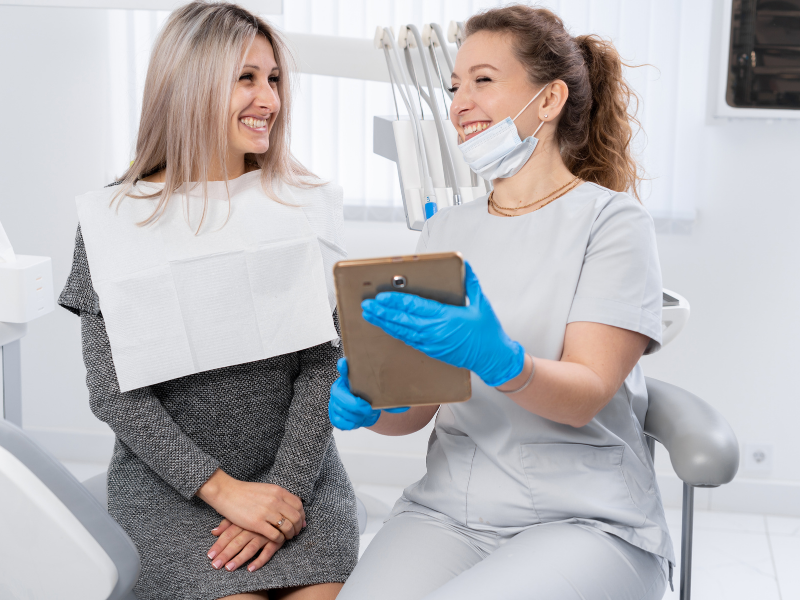
Assistants often spend more one-on-one time with patients than any other member of the dental team. They answer questions, explain procedures in simple language, and help patients understand what to expect before, during, and after treatment.
They may also demonstrate proper brushing and flossing techniques or discuss preventive habits that support long-term oral health. Clear communication helps patients feel more confident in their care and encourages healthier habits at home.
Infection Control and Sterilization Standards
Another critical responsibility of dental assistants involves infection prevention. Dental practices must follow strict protocols to protect both patients and staff.
Assistants carefully clean, disinfect, and sterilize instruments after every use. They also prepare treatment rooms between appointments to maintain a safe and sanitary environment.
The Centers for Disease Control and Prevention (CDC) provides detailed guidelines for infection control in dental healthcare settings. These recommendations outline how sterilization procedures, protective equipment, and surface disinfection reduce the risk of disease transmission.
Dental assistants play a key role in maintaining these safety standards and ensuring that every appointment meets established health guidelines.

Supporting Preventive Dentistry
Preventive dentistry focuses on stopping oral health problems before they develop or worsen. Dental assistants contribute significantly to this approach.
In many dental practices, assistants help take diagnostic images, prepare patients for exams, and assist with treatments such as fluoride applications and dental sealants where permitted. These preventive measures help reduce the risk of tooth decay and support long-term oral health.
They also reinforce education about daily oral hygiene habits, helping patients maintain healthier smiles between visits.
Training, Certification, and Technology
Dental assisting requires formal education and ongoing training. Many assistants complete accredited dental assisting programs and pursue certifications to demonstrate their knowledge and skills.
Common credentials include Certified Dental Assistant certification, Radiation Health and Safety certification, and Infection Control certification. Continuing education allows assistants to stay current with evolving dental technologies and best practices.
Modern dental offices rely heavily on technology, and assistants frequently operate systems such as digital X-rays, intraoral cameras, electronic health records, and digital scanning tools. These technologies improve accuracy and help patients better understand their treatment needs.
Recognizing the Value of Dental Assistants
Dental assistants balance clinical precision with compassion and efficiency. They manage many responsibilities behind the scenes while making sure every patient feels supported and cared for.
Often, they are the first person to greet you in the treatment room and one of the last to review your aftercare instructions. Their attention to detail and commitment to patient comfort help create a positive dental experience.
Celebrating dental assistants means recognizing the dedication and professionalism they bring to every appointment. Their work may happen quietly in the background, but its impact is visible in every healthy smile.
Related Posts

The Connection Between Oral Health and Overall Health
The Connection Between Oral Health and Overall Health Many people think of oral health as only being about having clean
Fresh Breath Tips to Boost Your Confidence
Fresh breath can make a lasting impression in everyday conversations, professional settings, and social interactions. It can help you feel