
8 Pros and Cons of Hydroxyapatite Toothpaste
Hydroxyapatite toothpaste has gained attention in recent years as an alternative to fluoride toothpaste. Many patients are curious whether it is more natural, safer, or more effective for strengthening enamel. If you have seen hydroxyapatite listed as an ingredient and wondered whether it is worth trying, understanding the pros and cons can help you make an informed decision.
Hydroxyapatite is not a new discovery. In fact, it is the primary mineral that makes up your tooth enamel and dentin. Because of this, it is often marketed as a biomimetic or enamel-matching ingredient. But how does it compare to fluoride, and is it right for you?

What Is Hydroxyapatite?
Hydroxyapatite is a naturally occurring form of calcium phosphate. It makes up about 97 percent of tooth enamel and around 70% of dentin. In toothpaste, hydroxyapatite is typically manufactured in a synthetic form that mimics the structure of natural enamel crystals.
The idea behind hydroxyapatite toothpaste is simple. If enamel is made of hydroxyapatite, applying it topically may help rebuild and strengthen weakened areas of enamel.
This concept has made it especially appealing to patients seeking fluoride-free oral care options.
How Hydroxyapatite Works on Teeth
Hydroxyapatite toothpaste is designed to:
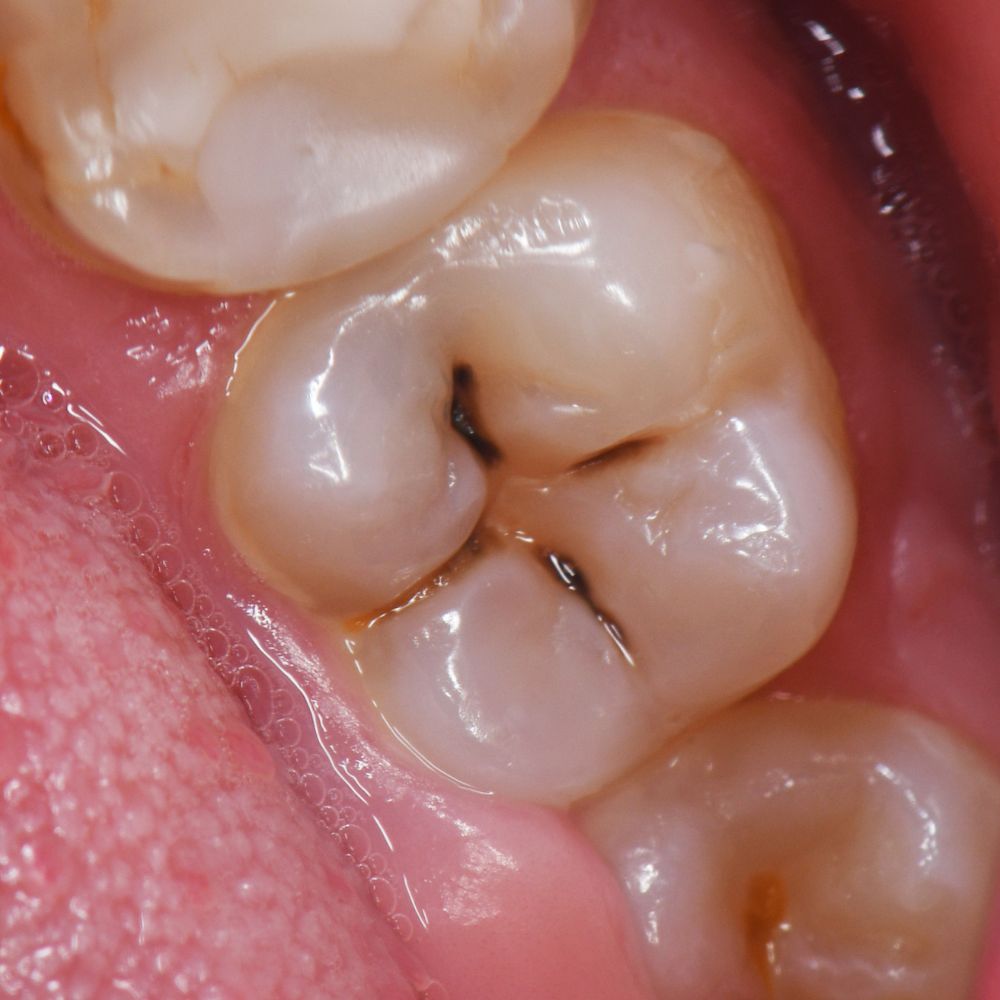
Fill in microscopic cracks or defects in enamel
Help remineralize weakened enamel
Reduce tooth sensitivity
Create a protective layer over the tooth surface
When enamel begins to demineralize due to acid exposure from bacteria or diet, minerals like calcium and phosphate are lost. Hydroxyapatite may help replenish those minerals and support enamel repair at a microscopic level.

Pros of Hydroxyapatite Toothpaste
Understanding the benefits can help you decide whether this ingredient aligns with your oral health goals.
1. Supports Enamel Remineralization
One of the main benefits of hydroxyapatite toothpaste is its potential to help remineralize enamel. Because it closely matches the natural structure of enamel crystals, it may integrate into weakened areas and strengthen them.
According to a systematic review in Clinical Oral Investigations, nano-hydroxyapatite shows promise for enhancing remineralization and helping prevent enamel demineralization. This makes it particularly appealing for people concerned about early enamel erosion, although the evidence base is still developing compared with fluoride.
2. May Reduce Tooth Sensitivity
Research has found that hydroxyapatite-containing dentifrices can help occlude dentinal tubules. This refers to how hydroxyapatite particles can help seal exposed dentin tubules. When these tiny channels are blocked, external stimuli like cold air or hot drinks are less likely to trigger discomfort.
Patients with mild sensitivity may notice improvement when using hydroxyapatite-based toothpaste regularly.
3. Biocompatible and Naturally Occurring
Since hydroxyapatite is already a primary component of teeth and bones, it is considered highly biocompatible. For patients looking for a fluoride-free alternative due to personal preference, hydroxyapatite is often viewed as a more natural option.
It does not carry the same ingestion concerns that some patients associate with fluoride, particularly in young children.
4. Low Risk of Fluorosis
Dental fluorosis occurs when excessive fluoride is consumed during early tooth development. Because hydroxyapatite does not contain fluoride, it eliminates this risk.
For parents who prefer fluoride-free products for toddlers, hydroxyapatite toothpaste may offer an alternative, although professional guidance is always recommended.
Cons of Hydroxyapatite Toothpaste
While hydroxyapatite offers benefits, there are important considerations before switching.
1. Less Long-Term Research Compared to Fluoride
Fluoride has decades of large-scale research supporting its effectiveness in preventing cavities. The CDC describes fluoridation as a cornerstone strategy for cavity prevention, highlighting the depth of evidence supporting fluoride in oral health. Hydroxyapatite, while promising, does not yet have the same depth of long-term, population-wide studies in cavity prevention.
Fluoride has consistently been shown to strengthen enamel and reduce decay rates across communities. Hydroxyapatite research is growing, but it has not yet replaced fluoride as the gold standard in most professional guidelines.
2. May Be Less Effective for High Cavity Risk Patients
Patients with frequent cavities, dry mouth, orthodontic appliances, or high sugar intake may benefit more from fluoride toothpaste. Fluoride helps enamel become more resistant to acid attacks and has strong antibacterial benefits when combined with regular hygiene.
Hydroxyapatite may support enamel repair, but it may not provide the same level of cavity prevention for individuals at elevated risk.
3. Higher Cost
Hydroxyapatite toothpaste is often more expensive than traditional fluoride toothpaste. Because it is still considered a specialty product, pricing can be significantly higher depending on the brand.
Cost may be a factor for families purchasing multiple tubes regularly.
4. Not Always ADA-Accepted
The American Dental Association notes that toothpaste claiming cavity protection with the ADA Seal of Acceptance must contain fluoride, which reflects fluoride’s longstanding role in cavity prevention. Fluoride toothpastes carrying the ADA Seal of Acceptance meet strict safety and efficacy standards. Fewer hydroxyapatite products currently carry this seal.
While that does not automatically mean the product is ineffective, it is an important factor when evaluating options.
Hydroxyapatite vs Fluoride: Which Is Better?
The question is not always which ingredient is better overall, but which is better for your specific needs.
Fluoride works by:
Strengthening enamel against acid attacks
Promoting remineralization
Inhibiting cavity-causing bacteria
Hydroxyapatite works by:
Rebuilding enamel structure
Filling microscopic surface defects
Reducing sensitivity
For low-risk patients with excellent oral hygiene and minimal cavity history, hydroxyapatite may provide adequate support. For moderate to high-risk patients, fluoride toothpaste is typically still recommended by most dental professionals.
Who Should Consider Hydroxyapatite?
Hydroxyapatite toothpaste may be a good option for:
Patients with mild tooth sensitivity
Individuals seeking fluoride-free products for personal reasons
Patients with low cavity risk and strong oral hygiene habits
Those interested in biomimetic oral care approaches
However, it is important to consult your dentist before making changes, especially if you have a history of decay or gum disease.
The Bottom Line on Hydroxyapatite Toothpaste
Hydroxyapatite is a promising ingredient that mirrors the natural composition of tooth enamel. It may support remineralization, reduce sensitivity, and provide a fluoride-free alternative for certain patients.
However, fluoride remains the most extensively researched and widely recommended ingredient for cavity prevention. For many individuals, especially those at higher risk for decay, fluoride toothpaste continues to be the standard recommendation.
Choosing between hydroxyapatite and fluoride should be based on your personal dental history, cavity risk, and professional guidance.
If you are considering switching toothpaste or have questions about enamel health, sensitivity, or cavity prevention, schedule an appointment with your dental provider. A personalized evaluation can help determine the best option for protecting your smile long-term.
Related Posts

The Connection Between Oral Health and Overall Health
The Connection Between Oral Health and Overall Health Many people think of oral health as only being about having clean
Fresh Breath Tips to Boost Your Confidence
Fresh breath can make a lasting impression in everyday conversations, professional settings, and social interactions. It can help you feel