
Fact or Fiction?
Bright, white teeth are one of the most desired outcomes of a healthy smile. While whitening strips, gels, and professional dental treatments are widely available, many people turn to natural methods to improve the appearance of their teeth. Among these are common claims that certain foods can naturally whiten your teeth over time.
But how much truth is there to these claims? Are these foods really whitening your teeth, or are they just helping clean the surface temporarily? In this article, we’ll explore which foods are most commonly associated with natural whitening, what science says about them, and whether they should be part of your oral care routine.
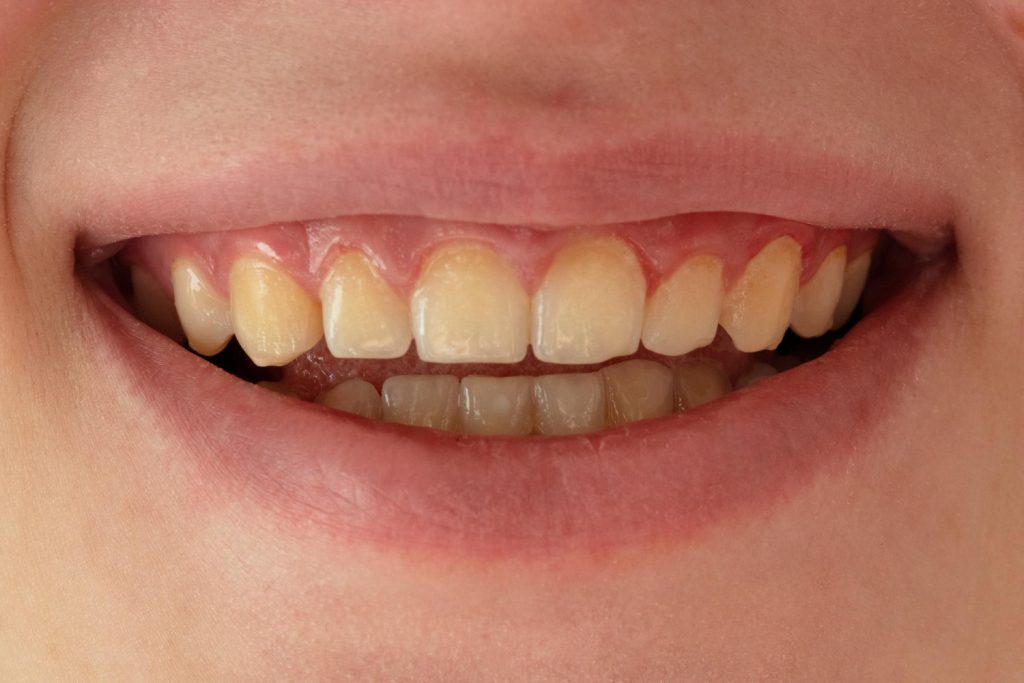
What Causes Tooth Discoloration?
Before diving into specific foods, it helps to understand what causes teeth to become discolored in the first place. Tooth discoloration falls into two main categories:
- Extrinsic stains: These are surface stains caused by foods and beverages such as coffee, tea, red wine, and dark berries. Tobacco use is another major contributor to extrinsic staining.
- Intrinsic stains: These are deeper stains inside the tooth structure, often caused by aging, certain medications, or trauma. These are not usually affected by topical whitening methods.
Most natural whitening claims focus on reducing or removing extrinsic stains, not reversing intrinsic discoloration. So if you’re looking for dramatic results, professional whitening may be more effective—but that doesn’t mean certain foods can’t help improve your smile’s appearance over time.
Apples: Crunchy and Cleansing
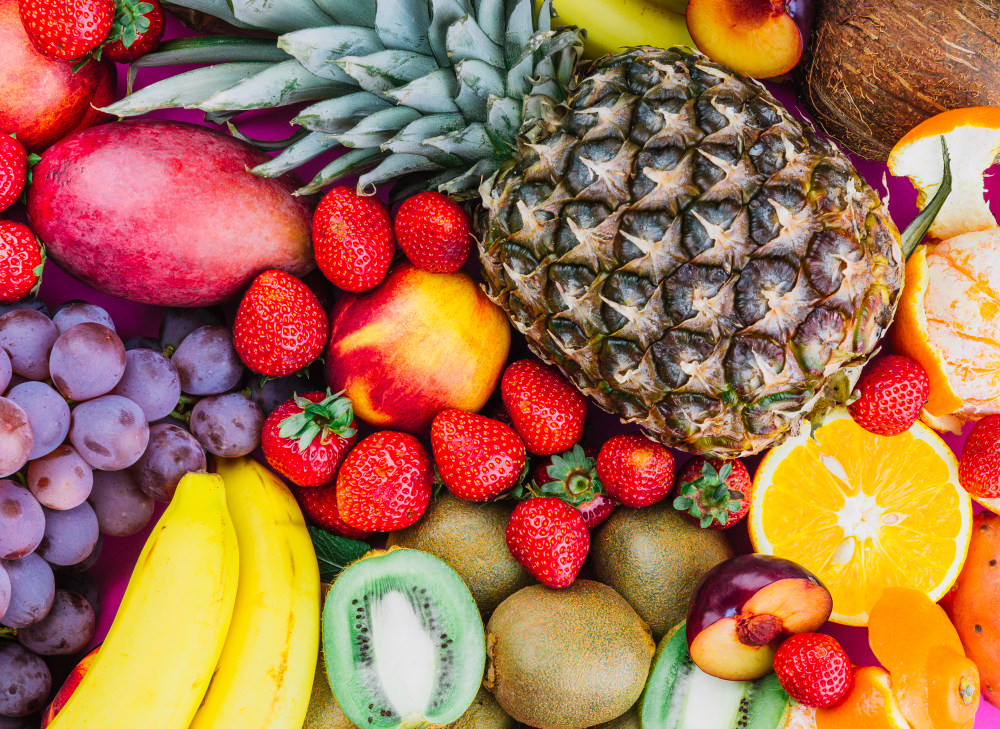
Apples are often referred to as “nature’s toothbrush” because their fibrous texture helps scrub away food particles and plaque from your teeth while you chew. Apples also stimulate saliva production, which naturally cleanses the mouth and neutralizes acids that can erode enamel.
Fact or fiction?
Partially fact. While apples don’t actually whiten your teeth in the way peroxide-based whiteners do, they can help reduce buildup and stains, keeping your teeth looking cleaner.
Strawberries: Bright Color, Whitening Claims
Strawberries contain malic acid, a natural astringent thought to remove surface stains. Some DIY remedies suggest making a paste from mashed strawberries and baking soda to polish teeth.
Fact or fiction?
Fiction with risks. While malic acid may have some stain-lifting effects, strawberries also contain citric acid and sugar, which can erode enamel if used too often or left on teeth. Brushing your teeth with acidic fruit pastes is not recommended. The American Dental Association (ADA) advises against using acidic fruits as whitening agents.
Pineapple: Enzyme Power from Nature
Pineapple contains bromelain, an enzyme that has been shown to help break down proteins and reduce inflammation. Some whitening toothpastes include bromelain for its potential stain-removing properties.
Fact or fiction?
Somewhat fact. Bromelain has been studied in dental settings, but eating pineapple alone isn’t enough to significantly whiten teeth. Still, its natural enzymes may contribute to cleaner teeth when consumed as part of a healthy diet.
Dairy Products: Strengthening and Protecting Enamel
Cheese, milk, and yogurt are all rich in calcium and phosphates, which help protect and rebuild tooth enamel. Hard cheeses in particular stimulate saliva production and reduce the acidity in your mouth, protecting your teeth from erosion and discoloration.
Fact or fiction?
Fact. While dairy doesn’t whiten your teeth per se, it helps maintain a strong enamel surface that resists staining. Keeping your enamel healthy also supports the natural brightness of your teeth.
Crunchy Vegetables: Nature’s Scrubbers
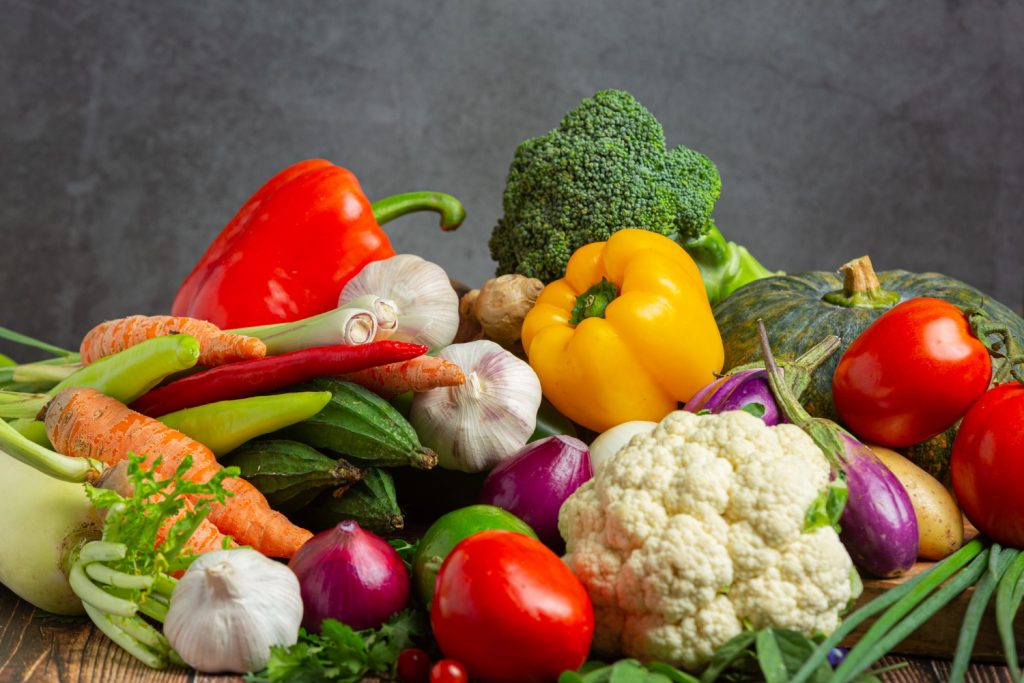
Raw carrots, celery, and cucumbers are high in fiber and water, and their crunchy texture can help remove food particles and surface stains from your teeth. Like apples, they stimulate saliva flow and gently clean the tooth surface as you chew.
Fact or fiction?
Fact. These foods do not bleach your teeth, but they can support a cleaner, brighter appearance by reducing surface debris and promoting oral cleanliness.
Baking Soda: Natural Abrasive, Not a Food
Although not a food, baking soda is commonly recommended in natural oral care routines. It has mild abrasive properties that can help remove surface stains and neutralize acids in the mouth. Some toothpaste products contain baking soda as a whitening agent.
Fact or fiction?
Fact, but with caution. Occasional use of baking soda can help remove surface stains, but using it too often or scrubbing aggressively can wear down enamel. It’s best to use a toothpaste that includes baking soda in a safe, dentist-approved formulation.
Foods to Avoid If You Want Whiter Teeth
If your goal is to naturally maintain a whiter smile, it’s equally important to avoid foods and drinks that cause staining. These include:
- Coffee and tea
- Red wine
- Dark berries
- Tomato-based sauces
- Cola and dark sodas
- Soy sauce and balsamic vinegar
Drinking water with or after these foods can help rinse away staining compounds before they set into the enamel.
The Truth About “Natural Whitening”
In summary, the idea that you can significantly whiten your teeth just by eating certain foods is largely a myth. However, many foods do play a role in maintaining a cleaner, healthier mouth, which can improve the appearance of your teeth over time.
Foods that support a brighter smile:
- Apples, celery, and carrots for their scrubbing texture
- Cheese and yogurt for strengthening enamel
- Pineapple for mild enzyme-based cleaning
- Water, to rinse away stain-causing particles
Foods that may harm your smile’s appearance:
- Acidic fruits like lemons and strawberries if used improperly
- Excessively pigmented foods and drinks
- Sugary or starchy snacks that promote plaque buildup
When to Seek Professional Whitening
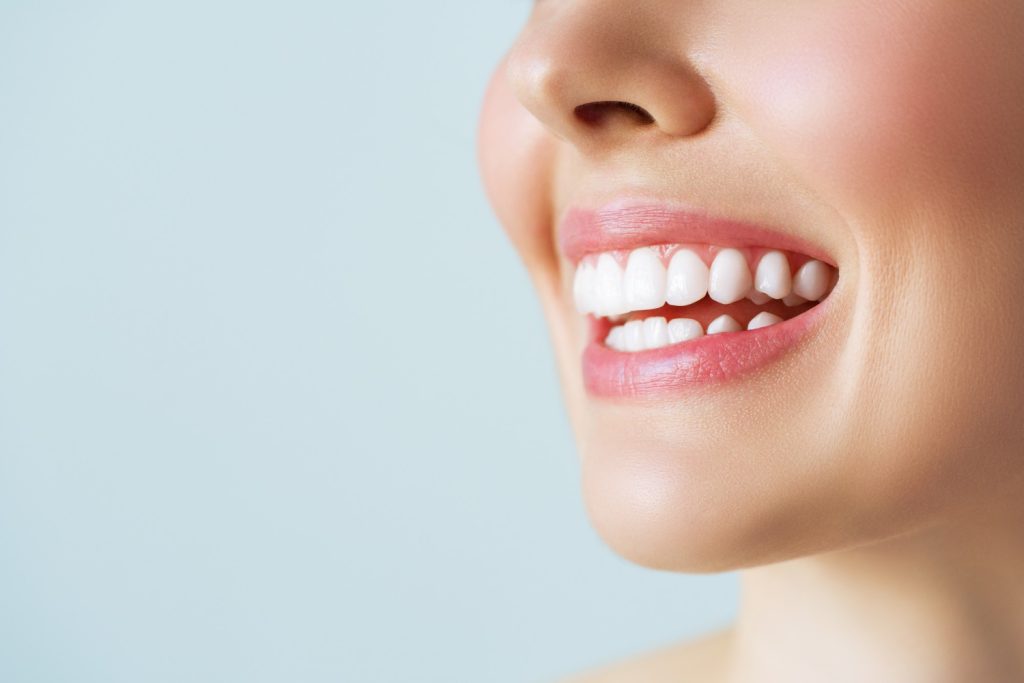
If you want to see a noticeable change in the shade of your teeth, a professional whitening treatment is your best option. At ABG Dental, we offer safe, effective whitening solutions that can brighten your smile several shades in just one visit, without damaging your enamel or gums.
Want to explore your options? Learn more about our professional teeth whitening services and find out what solution is right for you.
Natural Whitening Is a Supporting Player
While foods alone won’t dramatically whiten your teeth, a healthy diet can support better oral hygiene and reduce the accumulation of new stains. Think of natural foods as part of a larger routine that includes brushing, flossing, avoiding staining agents, and seeing your dentist regularly.
For those looking for real, long-lasting whitening results, schedule a consultation with the ABG Dental team to discuss your goals and the safest path forward.