
Celebrating Dental Hygiene Month: Tips for a Healthier Smile
A healthy smile takes more than brushing your teeth before bed. The small choices you make every day, from how you brush to what you eat and drink, can affect the health of your teeth and gums over time. That is why Dental Hygiene Month is a good opportunity to look at your daily routine and see where a few simple changes could make a difference.
Good dental hygiene helps prevent cavities, reduces plaque buildup, and keeps your gums healthy. It also helps you catch potential problems before they become more uncomfortable or complicated to treat. Although professional dental visits are important, much of the work begins at home.
You do not need an elaborate routine to care for your smile. Consistency matters more than perfection. With the right habits and regular dental care, you can protect your teeth and maintain a healthier smile at every stage of life.

Why Dental Hygiene Matters for Your Smile
Your mouth is constantly exposed to food particles and bacteria. Throughout the day, bacteria combine with food debris to form plaque, a sticky film that collects on the surfaces of your teeth. If plaque is not removed regularly, it can contribute to tooth decay and gum disease.
The National Institute of Dental and Craniofacial Research explains that plaque buildup can irritate the gums and lead to gingivitis, an early stage of gum disease. If the problem progresses, the tissues and bone supporting your teeth can become damaged.
Maintaining good dental hygiene helps control plaque before it causes more serious problems. It can also help prevent bad breath and reduce the likelihood of needing treatment for preventable dental conditions.
Healthy teeth and gums make everyday activities such as eating, speaking, and smiling more comfortable. Taking care of your mouth is a simple but important part of maintaining your well-being.
Brush Twice a Day With Fluoride Toothpaste
Brushing is one of the most important parts of a daily dental hygiene routine, but the way you brush matters just as much as how often you do it.
The American Dental Association (ADA) recommends brushing twice a day for two minutes with fluoride toothpaste. Fluoride helps strengthen tooth enamel and makes teeth more resistant to acid attacks that contribute to cavities.
For a more effective brushing routine, keep these tips in mind:
- Use a soft-bristled toothbrush to clean your teeth gently.
- Brush the front, back, and chewing surfaces of every tooth.
- Angle your toothbrush toward the gumline and use gentle, short strokes.
- Avoid scrubbing aggressively, since brushing too hard can irritate your gums.
- Replace your toothbrush every three to four months, or sooner if the bristles become frayed.
It can be tempting to rush through brushing when you are tired or running late. However, taking the full two minutes gives you more time to clean all the surfaces of your teeth properly.
For children, parents should help or supervise brushing until they can clean their teeth effectively on their own. Younger children also need age-appropriate amounts of fluoride toothpaste, so ask your dental professional for guidance if you are unsure.
Clean Between Your Teeth Every Day
Even a toothbrush cannot reach every surface inside your mouth. Food particles and plaque can collect between teeth, where cavities and gum problems may begin without being immediately noticeable.
That is why cleaning between your teeth should be part of your daily dental hygiene routine. Dental floss is one option, while interdental brushes or other suitable cleaning devices may work better for certain people.
The ADA recommends cleaning between the teeth once a day in addition to brushing twice daily.
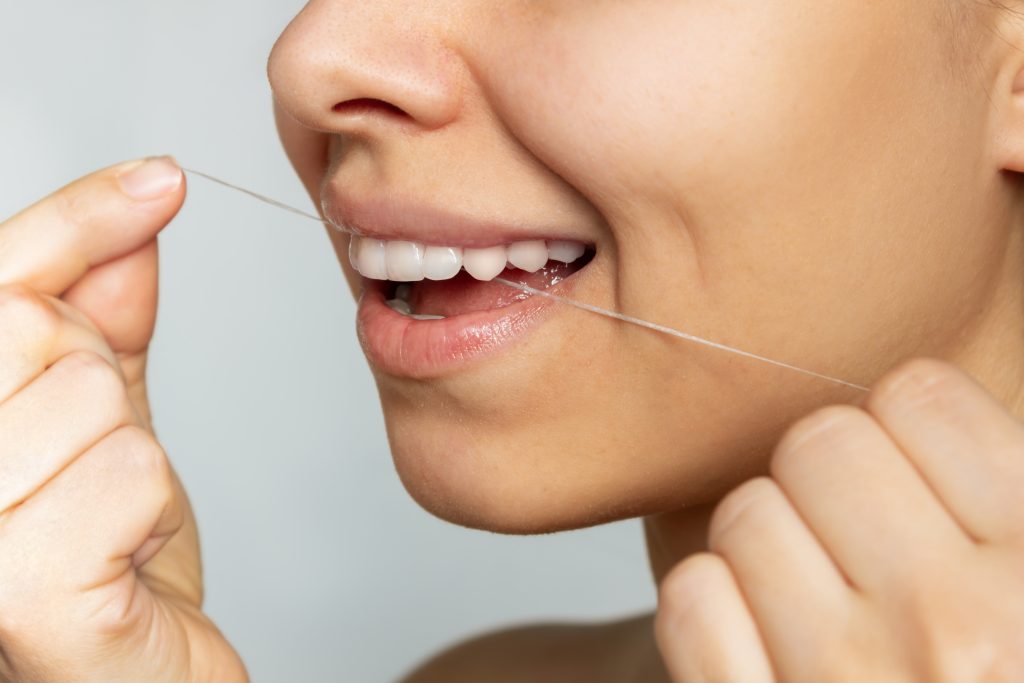
If you are new to flossing, start gently. Guide the floss between your teeth without snapping it against your gums, then curve it around each tooth and move it carefully along the surface.
Bleeding gums can sometimes occur when you first begin flossing, particularly if your gums are inflamed. However, recurring bleeding, swelling, or tenderness should not be ignored. A dental professional can help determine the cause and recommend the appropriate care.
Making flossing part of your evening routine can help you remember to do it consistently. The goal is to clean the spaces your toothbrush misses, not simply to complete another task on your checklist.
Choose Foods and Drinks That Support Healthy Teeth
Your eating habits play an important role in dental hygiene. Certain foods and drinks can increase your risk of tooth decay, particularly when they expose your teeth to sugars frequently throughout the day.
When bacteria in plaque break down sugars, they produce acids that attack tooth enamel. Repeated acid attacks can gradually damage enamel and contribute to cavities.
You do not have to give up every sweet treat to protect your teeth. Instead, pay attention to how often you consume sugary foods and drinks.
Here are a few habits worth practicing:
- Choose water more often instead of sugary drinks.
- Limit frequent snacking on candy, cookies, and other sugary foods.
- Enjoy sweets with meals rather than grazing on them throughout the day.
- Include nutritious foods such as vegetables, fruit, dairy products, and other calcium-rich options in your diet.
- Drink water after eating when brushing is not possible.
The Centers for Disease Control and Prevention (CDC) recommends brushing with fluoride toothpaste, flossing daily, drinking fluoridated water, and limiting foods and drinks with added sugars to help prevent oral health problems.
These habits are especially useful for families. Helping children understand how food choices affect their teeth can encourage better routines that continue into adulthood.
Do Not Ignore Your Gum Health
Dental hygiene is not only about keeping your teeth clean. Your gums deserve attention, too.
Healthy gums generally fit snugly around the teeth. Redness, swelling, tenderness, or bleeding during brushing and flossing can indicate inflammation. These symptoms may be associated with gingivitis, which is often linked to plaque buildup.
If gingivitis is left untreated, it can progress to periodontitis, a more serious form of gum disease that damages the tissues supporting the teeth. Advanced gum disease can cause gum recession, loose teeth, and even tooth loss.
The encouraging news is that early gum problems can often be managed with improved daily care and appropriate professional treatment. Brushing carefully along the gumline, cleaning between your teeth, and attending regular dental appointments all contribute to healthier gums.
If you notice persistent bleeding or swelling, do not assume it is normal simply because it happens during brushing. Have your gums evaluated so the underlying cause can be addressed.

Why Professional Dental Cleanings Matter
Even people who brush and floss consistently can develop plaque in areas that are difficult to reach. When plaque hardens into tartar, brushing and flossing alone cannot remove it. Professional dental cleaning is needed to remove this hardened buildup.
Dental visits also give your dental team an opportunity to examine your teeth and gums for signs of cavities, gum disease, and other concerns. Some dental problems develop gradually and may not cause noticeable pain in their early stages.
Regular appointments help your dental professional identify potential issues and recommend care suited to your needs. The frequency of your visits may depend on your oral health, history of dental problems, and individual risk factors.
At ABG Dental, patients can receive dental cleanings as part of maintaining their oral health. Our offices in Elkhart and Goshen, Indiana, serve patients who want to keep their smiles healthy through consistent preventive care.
Do not wait for a toothache to make dental care a priority. Preventive visits can help you stay informed about your oral health and address concerns before they become more difficult to manage.
Build Better Dental Hygiene Habits as a Family
Healthy habits are easier to maintain when they become part of everyday life. Families can support one another by establishing consistent brushing times, keeping dental supplies accessible, and making oral care a normal part of the morning and bedtime routines.
For children, using a timer or brushing along with a parent can make the experience more engaging. Parents can also encourage children to choose a toothbrush they like, as long as it is appropriate for their age and has soft bristles.
Adults benefit from the same consistency. Busy schedules, work commitments, and family responsibilities can make it easy to skip flossing or rush through brushing. Keeping your toothbrush and floss in a convenient place can help make these habits easier to maintain.
Dental hygiene needs can also change with age. Children may need assistance with brushing, adults may need to pay closer attention to gum health, and older adults may face challenges related to dry mouth, medications, or difficulty cleaning their teeth.
Your dental professional can help you adjust your routine as your needs change.
Make Dental Hygiene Part of Your Everyday Routine
Dental Hygiene Month is a useful reminder that a healthier smile begins with the habits you practice throughout the year. Brushing twice daily, cleaning between your teeth, making thoughtful food choices, and scheduling regular dental visits all work together to protect your teeth and gums.
You do not have to change everything at once. If you have been inconsistent with flossing, start by making it part of your evening routine. If you tend to rush through brushing, give yourself the full two minutes. Small improvements can become lasting habits when you practice them consistently.
If it has been some time since your last dental cleaning or you have noticed changes in your teeth or gums, consider scheduling a visit with your dental professional.
ABG Dental is here to help patients in Elkhart and Goshen maintain their oral health through professional dental care. Taking care of your smile today can help you enjoy the comfort and confidence of healthier teeth for years to come.