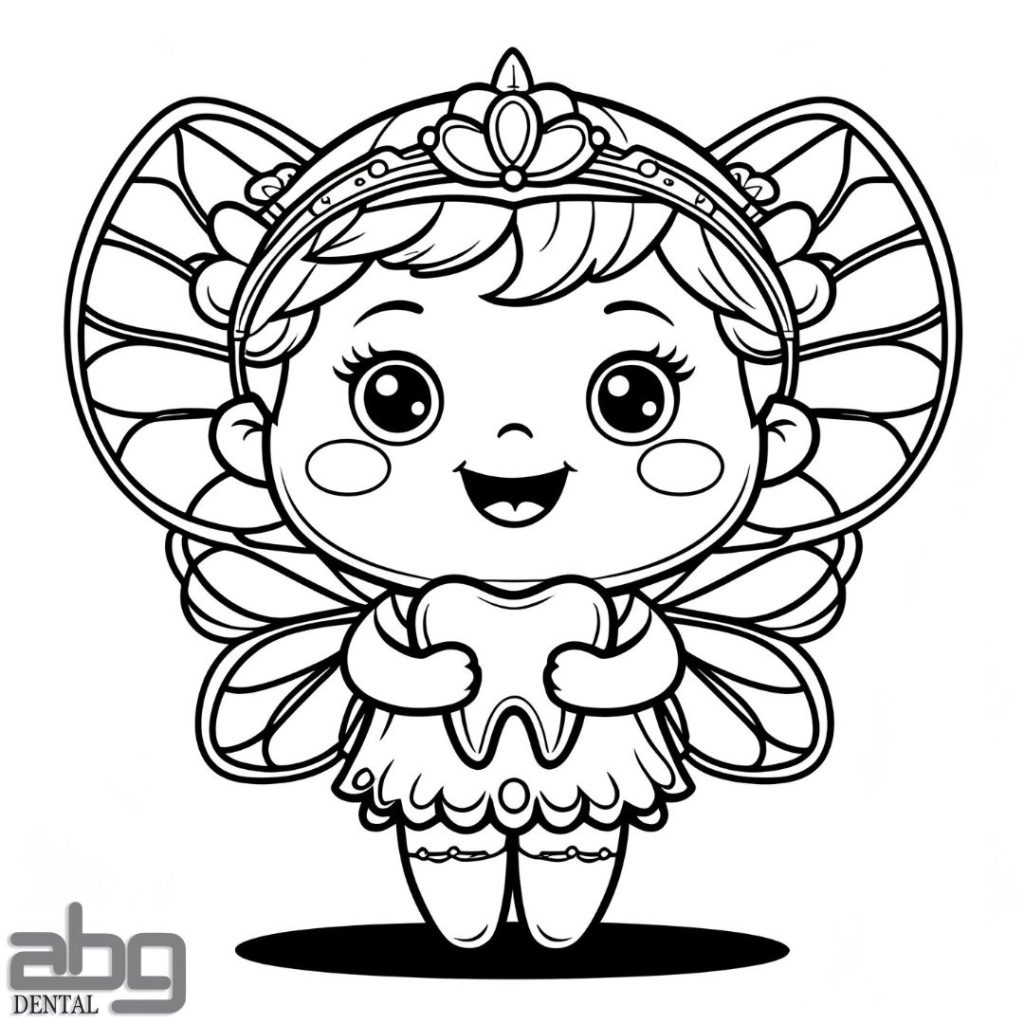
Fun Facts and How Parents Can Be Involved
Losing baby teeth is a milestone in childhood—and for many families, it’s made magical by traditions like the Tooth Fairy. Around the world, however, these rituals differ wildly: some involve mice, others toss teeth into the air, and many carry symbolic meaning. This article explores the most popular customs globally, fun facts behind them, and how parents can create meaningful Tooth Fairy experiences at home.
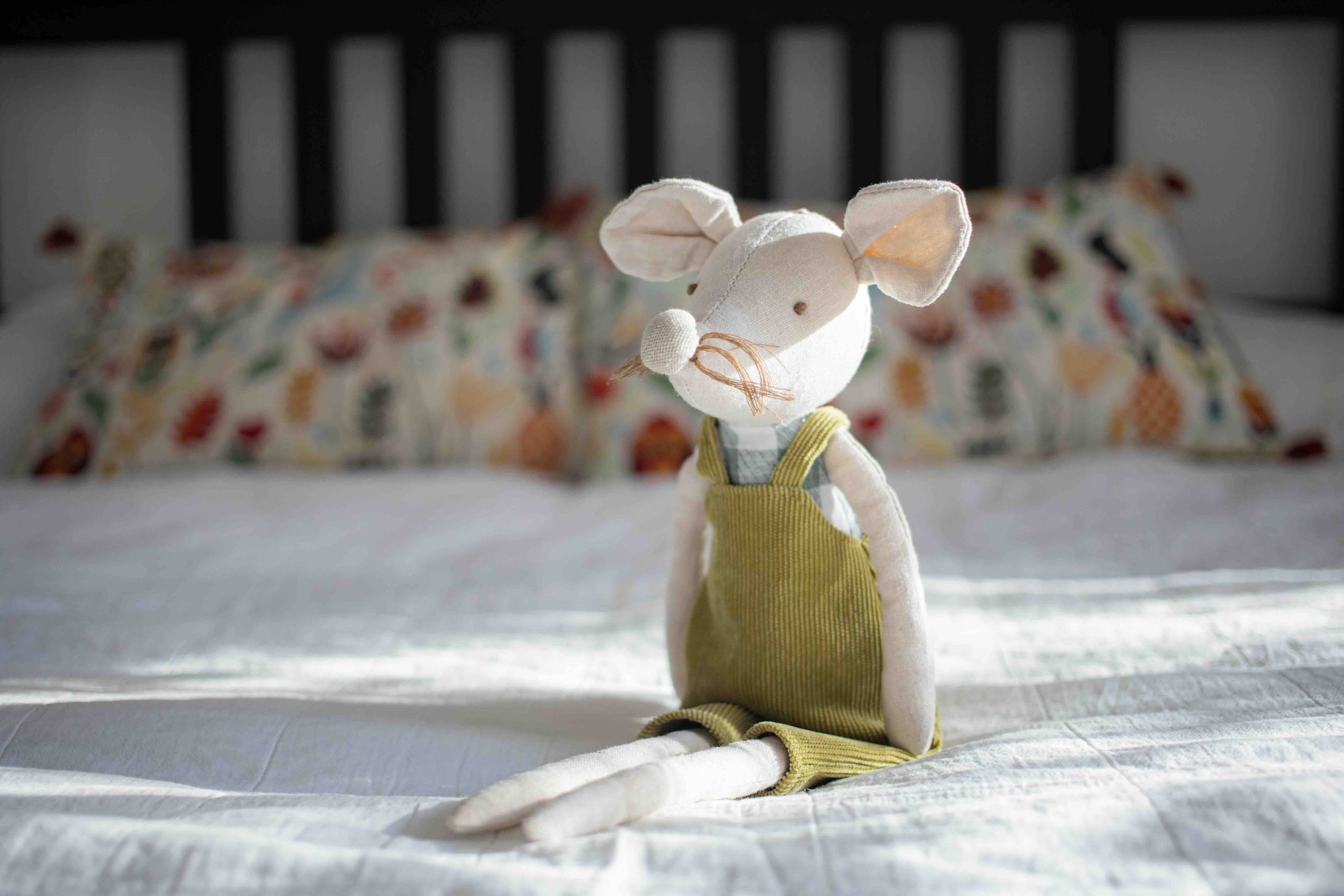
1. Spain and Latin America: El Ratoncito Pérez
In many Spanish-speaking countries—such as Spain, Mexico, Argentina, Chile, and Colombia—children anticipate a visit from El Ratoncito Pérez, a friendly mouse who collects baby teeth placed under pillows or in glasses of water and leaves a small reward behind. This character was popularized when Luis Coloma wrote a story in 1894 for King Alfonso XIII after he lost a tooth at age eight. He lives in popular culture today, with a museum in Madrid honoring his legacy (Coloma, 1894; [turn0search14]; [turn0search4]).
2. France: La Petite Souris
In French-speaking regions, the tooth tradition centers around La Petite Souris (“the little mouse”), who takes a child’s lost tooth and leaves money or a small treat. This legend traces back to a 17th-century fairy tale by Marie-Catherine d’Aulnoy about a fairy that turns into a mouse—a story that influenced the modern custom.
3. Middle East: Tossing Teeth Toward the Sky
In countries like Egypt, Jordan, Iraq, and Sudan, children often throw baby teeth upward—toward the sky or the sun—while reciting a chant or prayer asking for a strong and healthy adult tooth. This tradition is believed to date back centuries and is rooted in a wish for growth and resilience.
4. Asia: Throwing Lower Teeth Up and Upper Teeth Down
In nations such as Japan, Korea, China, Vietnam, and parts of India, there’s a symbolic tradition of throwing lower teeth onto the roof and upper teeth under the house or into the ground. This practice is meant to encourage adult teeth to grow in straight and healthy, inspired by the belief that rodent teeth grow continuously and are strong.
In South Korea, for example, children believe that if a magpie finds the lost tooth on their roof, the bird will bring strong teeth and good fortune.
5. India: Rituals Vary by Region and Symbolism
Indian tooth traditions are diverse. In some communities, children throw a tooth onto the roof while making a wish. Others may offer it to the sun, bury it, or wrap it in cotton. These gestures reflect a blend of cultural, regional, and spiritual beliefs about strength, growth, and blessings as a child matures.
6. South Africa: Tooth in a Slipper for the Tooth Mouse
In some parts of South Africa, children place their lost tooth in a slipper rather than under a pillow for a Tooth Mouse. At night, the mouse visits, replaces the tooth, and leaves a small gift or coins behind. It’s a variation on the mouse tradition found in Hispanic and French cultures.
7. Argentina: Tooth in a Glass of Water
A unique variation exists in Argentina, where children place their lost tooth in a glass of water at night. The Tooth Mouse then drinks the water, removes the tooth, and leaves coins or treats in the glass. It’s a delightful twist on the pillow tradition that keeps children excited.

Why Do Tooth Traditions Matter?
These rituals are more than just bedtime stories—they help children view tooth loss as a positive milestone rather than a frightening process. Across many cultures, the core themes are consistent:
- Celebration of growth: Exchanging a tooth signals a child is growing up.
- Symbolism of strength: Using rodent or animal imagery reflects belief in strong, healthy adult teeth. Children are hopeful it will come true.
- Family bonding: Tooth rituals create shared memories and daily excitement around oral hygiene and development.
Tooth Fairy Fun Facts
- The average Tooth Fairy payout in the United States is around $5 per tooth, according to a 2023 survey.
- The Tooth Fairy is believed to have wings, wears a tutu or sparkly dress, and carries a wand in many depictions.
- Some parents use tooth apps or fairy-tracking kits to bring the experience to life with photos, maps, and digital notes.
- Tooth Fairy traditions are not only fun—they help reduce fear and anxiety about dental changes.
How Parents Can Make Tooth Traditions Special
These traditions provide a fun opportunity for parents to get creative and involved:
- Use a themed pillow or tooth box: Design a small pocket labeled for the Tooth Fairy.
- Write a Tooth Fairy note: A short, personalized letter praising healthy brushing habits adds meaning.
- Offer a tooth-friendly small gift or coin: Toothbrushes, stickers, or storybooks work well.
- Track tooth loss on a chart: Create a visual chart to record which teeth fell out and when.
- Tie it to dental hygiene lessons: Explain how brushing and flossing help permanent teeth last a lifetime.

Supporting Healthy Smiles and Meaningful Milestones
Losing baby teeth is a natural part of growing up—most children begin around age six and continue through early adolescence. While it’s usually a smooth process, parents should keep an eye out for anything unusual, such as teeth falling out too early, taking too long to loosen, or permanent teeth erupting out of alignment. If you have concerns about your child’s dental development, the pediatric team at ABG Dental is here to help with expert care, guidance, and personalized treatment plans. Schedule your child’s dental visit today to stay ahead of any potential issues and keep their smile on track.
No matter where you are in the world, traditions surrounding baby teeth—from Tooth Fairies to tooth-tossing—reflect the universal desire to celebrate growth and ease childhood transitions. By weaving in global customs and your own family traditions, you can turn each lost tooth into a fun, meaningful experience that encourages healthy habits and lasting memories.
🖍️ Make the Magic Last!
Download our free Tooth Fairy coloring page and let your child add their own creativity to this special milestone.
Click here to download & print the page!